Hello, it’s me — your store.
You probably didn’t expect to hear from me. After all, I’m just a set of walls, doors, and shelves filled with products. But if I could talk, what I’d say might surprise you.
Every day, I see which displays attract customers and which leave them frustrated. I watch HQ send out one-size-fits-all initiatives and empathize with store teams left to make them work for each particular location.
I’m a treasure trove of data about what’s working and what’s not. With the right real-time store insights and tools, you can turn my data into actions that benefit your employees and your bottom line.
But you’ve got to listen to me and your other stores first. Here are a few things I’ve got on my mind right now.
Key takeaways
- Real-time store data helps retailers spot problems before they affect customer experience, and act on business opportunities before the window closes.
- When planograms don’t match what’s actually happening in stores, execution suffers. A closed-loop communication platform ensures merchandising details don’t slip through the cracks.
- Retail store automation gives teams the tools they need to spend less time on manual work and more time on what matters — sales and the customer experience.
- Smarter tech helps improve store performance, localize merchandising, and reduce the strain on exhausted retail employees.
“My shelves are disorganized, and it’s costing you sales.”
You have beautiful brand standards and thoughtful planograms, but execution seems to go sideways somewhere between HQ and my aisles. Displays get out of sync. Shelves run low. That new product launch? Still sitting in the backroom because the related signage didn’t arrive on time.
You call it a “compliance issue.” I call it a missed business opportunity.
Inventory issues cost the global retail industry $1.7 trillion annually. Having the right product in the right place at the right time is vital to ensure a healthy bottom line and customer loyalty.
The solution: Streamline compliance with retail tech
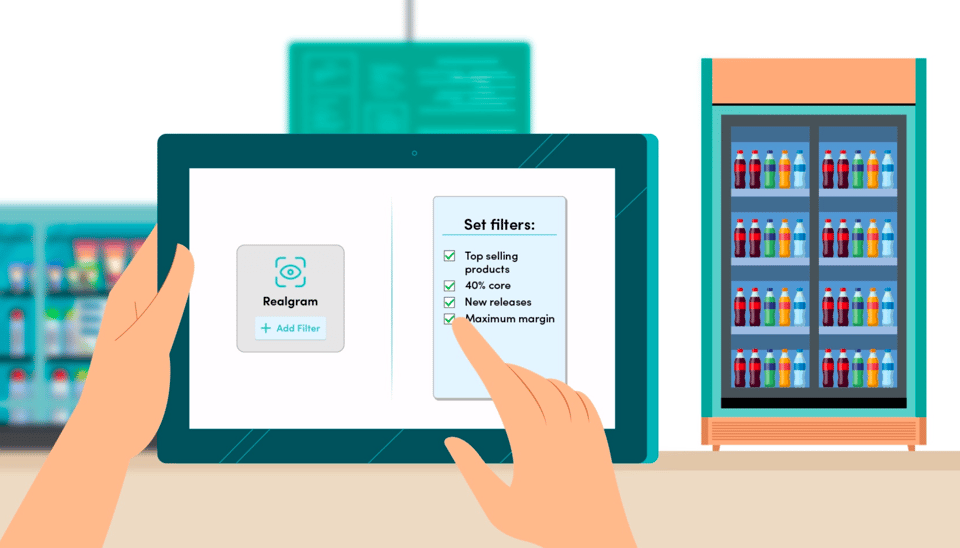
Missing the mark with inventory especially hurts, because with the right technology, keeping me neat isn’t so hard. Modern retail automation platforms like Optimum Retailing enable:
- RFID tracking to show which products are where, at the store level
- Photo verification to confirm merchandising compliance
- Automated, real-time alerts that direct associates to priority updates and help HQ refine future strategy
That way, we can work together to improve merchandising compliance by up to 80%, without cumbersome manual checks. Customers find what they need, employees can do more with less, and profitability increases. It’s a win-win-win.
“I don’t always have in stock what my local community needs.”
I see your customers’ faces when they leave me empty-handed. They came looking for products you should have known they wanted. Maybe the item sold out last weekend. Maybe it’s shelved in the wrong aisle. Or maybe the assortment you planned was never right for this neighborhood and its unique shoppers in the first place.
Either way, your customers leave looking pretty upset — and ready to take their business elsewhere.
About 84% of all U.S. retail sales happen in physical stores like me. But the reality is each store has its own version of “what’s trending.” What flies off the shelves with me might sit untouched two cities over.
However, most retailers fail to use store-by-store sales and returns data to localize product assortments and visual merchandising strategies. They also aren’t layering in localized insights like the weather or timely events to inform their physical retail operations. These are both missed opportunities.
The solution: Customize planograms at scale with AI
Think of me as your eyes and ears on the ground. I can tell you when customers in my neighborhood want more vegan snacks or larger sizes of clothes, and when another store elsewhere would benefit from a different product assortment. And when you pair me with other data sources, I can share even more meaningful insights.
With Optimum Retailing, we can generate AI-powered planograms specific to each of your stores that account for these critical demand signals, as well as variables like floor space, fixtures, and real-time inventory.
For example, a store-specific grocery store planogram could give short-dated products primary placement to encourage speedy sell-through. By reducing wastage, this approach both boosts revenue and makes for a more sustainable store environment.
The takeaway: Give me the data-driven tools to speak up, and I’ll help make sure my shoppers find exactly what they came for, and serve your goals, too.
“My employees are exhausted and disengaged.”
Don’t get me wrong, I love my people! But they’re tired. They spend too much time scanning, checking, and correcting. There are too many manual processes in place that keep them in the background instead of in on the action.
It’s especially bad heading into the busy holiday season, when shoppers swarm stores. All that non-selling work means less time for great customer service, fewer sales, and increased burnout.
Worse, my store operators don’t see these roadblocks because they aren’t always aware of how associates spend their time, and they lack clear communication channels. This makes it tough for leaders to understand how these worker trends and behaviors impact our ability to achieve other business goals.
Let me help you lift that burden.
The solution: Empower employees by automating rote tasks
Equipping me with a closed-loop communication platform helps HQ and store teams communicate more often and more effectively. This dynamic improves visibility into employee workloads and introduces opportunities to automate tedious, time-consuming tasks.
The result? Employees spend less time chasing checklists and more time connecting with shoppers, fixing issues, and staying on top of the latest product info and materials.
This way, my teams are able to offer personalized recommendations and demonstrate products in-depth. Or they can jump in on priority tasks to keep pace with trending inventory and sales intelligence. Retailers using Optimum Retailing’s platform cut non-selling hours by 20-30%.
When you equip associates with smarter tools, you can transform your store teams from exhausted and frustrated to empowered and engaged, while also strengthening the customer experience.
So, do you like what I have to say?
I’m eager to be heard, and me and the other stores have so much more to say.
If we had more time, I might remind you that you tend to miss the full picture of what’s happening inside me and your other stores. Or I might point out your bad habit of reacting to problems too late. I see them before you do.
Because where you see sales numbers, I see why something sold. Where you see inventory levels, I see how quickly customers move through certain aisles and what these trends mean for profitability. And where you see a task list, I see the moments where your team gets stuck, slowed down, or pulled into low-value work.
When you listen to me — when you connect my data, operationalize my insights, and empower my people — I can help you do incredible things. I can sell more, waste less, and keep customers and employees coming back happy.
All I need is a little help to turn real-time store intelligence into strategy and action, so we can see all of my parts in one living, breathing view.
That’s where Optimum Retailing comes in.
When you start using their in-store experience management platform to listen to your stores and act on what they’re telling you, you unlock opportunities for growth. With the right technology in place, it's easier than ever to translate on-the-ground insights into strategies that boost performance and customer loyalty.
Ready to hear what your stores are trying to tell you? Schedule a demo to learn how Optimum Retailing helps stores do more with less.